

Biodiversity
The Castle Howard Arboretum forms an island of relatively undisturbed habitat in a sea of intensively farmed agricultural land. As such it functions as a refuge for a wide diversity of wildlife, plants and other organisms that are no longer common in the countryside.
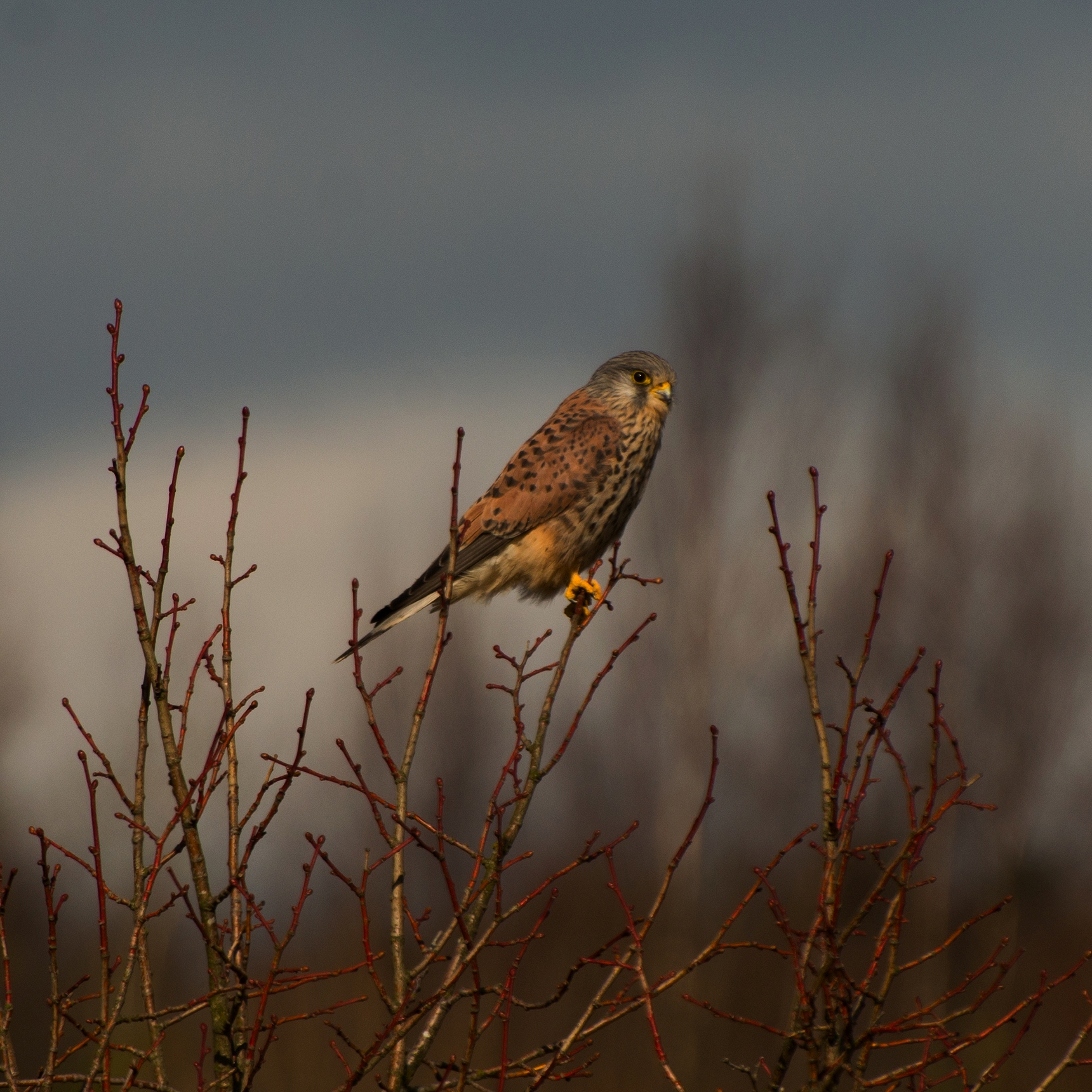
Surveys in recent years have found that the site is host to 225 species of native wild plants, 75 species of birds and there are 9 regularly seen terrestrial mammals. Some surveys (such as for native plants) are ongoing, while we hope to revisit others or start new projects. If you have an area of specialism and would like to conduct a biodiversity survey in the arboretum please get in touch.
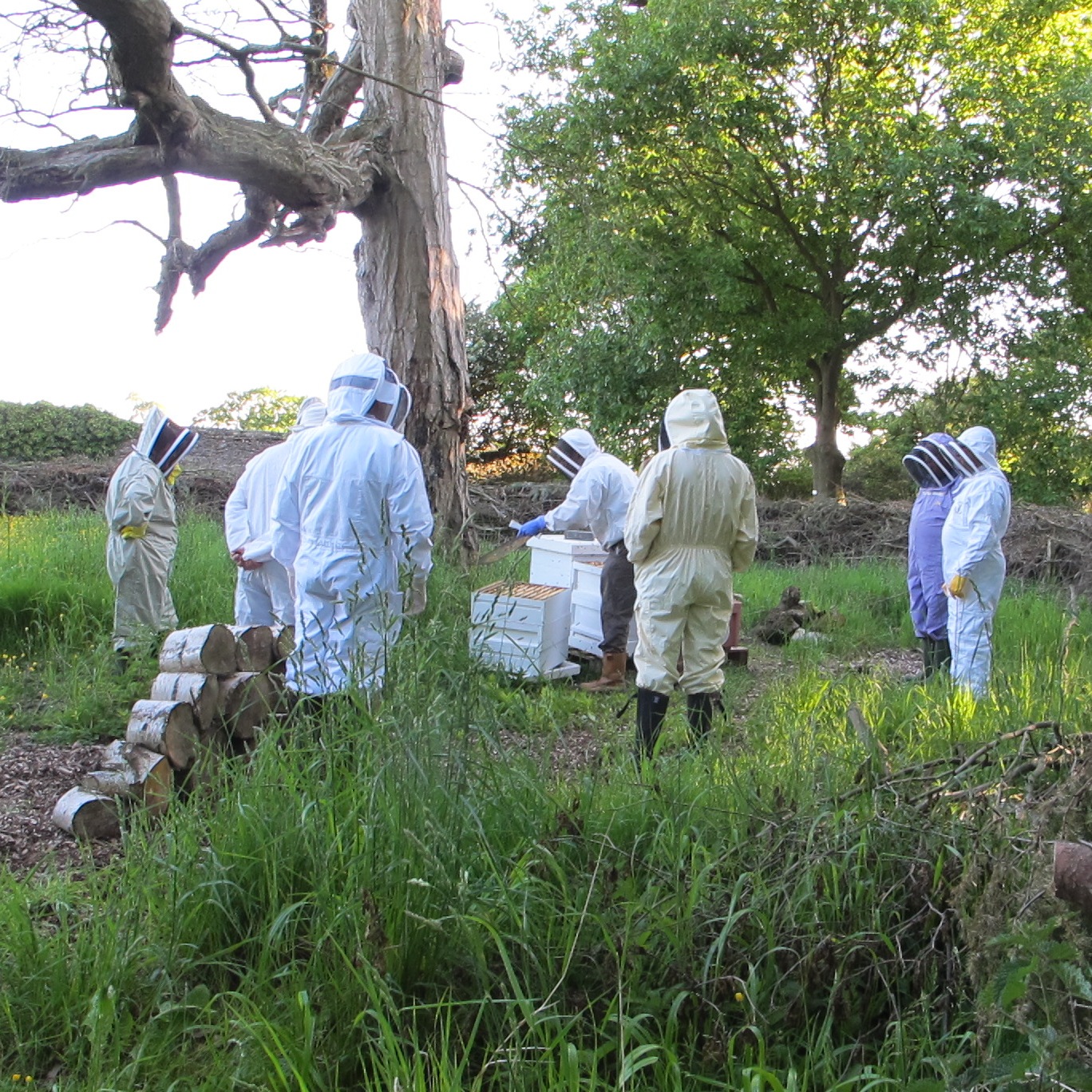
Invertebrate diversity is also good, with our ponds holding a remarkable 68 species of water beetles. 15 different dragonflies having been observed and recorded here and we have several apiaries located on the south side of the arboretum - the source of our own, delicious Arboretum Honey which is sold in the Visitor Centre.
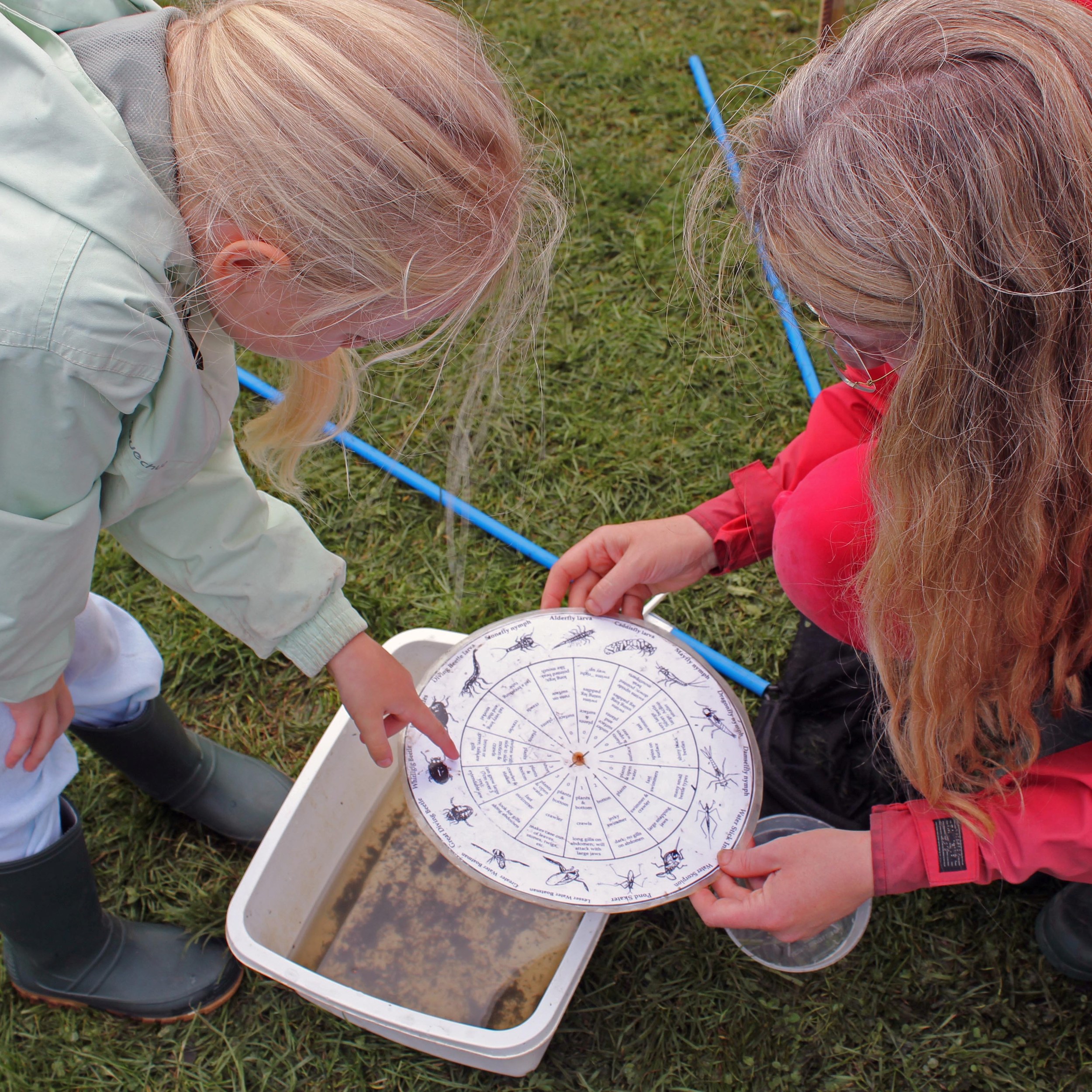
Learning about biodiversity forms an important part of the work of our Outdoor Education team. Pond-dipping and minibeast hunting are extremely popular activities that open children's eyes to the diversity of nature.
With increasing problems from tree diseases in the United Kingdom the Castle Howard Arboretum, with its diversity of trees from around the world, is well-placed to assist in studies and monitoring of the situation. We are collaborating with the Royal Botanic Gardens, Kew, the Food and Environment Research Agency (FERA) and the Forestry Commission as they study tree pests and diseases.
